Work / AI × AR / Health-tech
Novaid
Every second counts, every step guided. Novaid is a hands-free augmented reality system that turns an untrained bystander into a guided first responder, a concept I carried from a design-thinking sprint and a working HoloLens prototype all the way to an AI-powered HUD that assesses the patient with spatial AI and overlays step-by-step 3D instructions into the rescuer’s field of view.
The gap before the ambulance
In medical emergencies, the first few minutes are critical, and bystanders are usually first on the scene, lacking the medical knowledge or confidence to intervene before EMS arrives. First aid fails not because instructions don’t exist, but because in panic people can’t recall them, can’t judge whether they’re doing it right, and can’t hold a phone while both hands are doing compressions.
We framed the design space precisely: support the untrained bystander during the waiting period of the ambulance: not replacing emergency services, but bridging the gap until they arrive. Hands-free or it doesn’t count.
Divergent, convergent, repeat
I facilitated the design thinking process through alternating steps of divergent and convergent thinking, drawing on a broad battery of methods:
- Surveys and interviews established how people actually behave around emergencies.
- Personas kept the untrained bystander, not the paramedic, at the center.
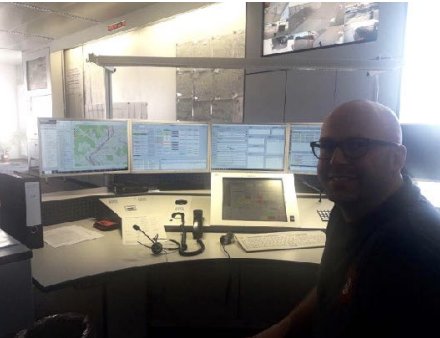
- Observation grounded the interaction in real first-aid procedure, including field research on the dispatch side of the EMS gap.
- Brainstorming expanded the option space before each convergence.
The converged concept: a heads-up, step-by-step guidance layer rendered in the helper’s field of view, keeping both hands free for the patient.
Proving it on HoloLens
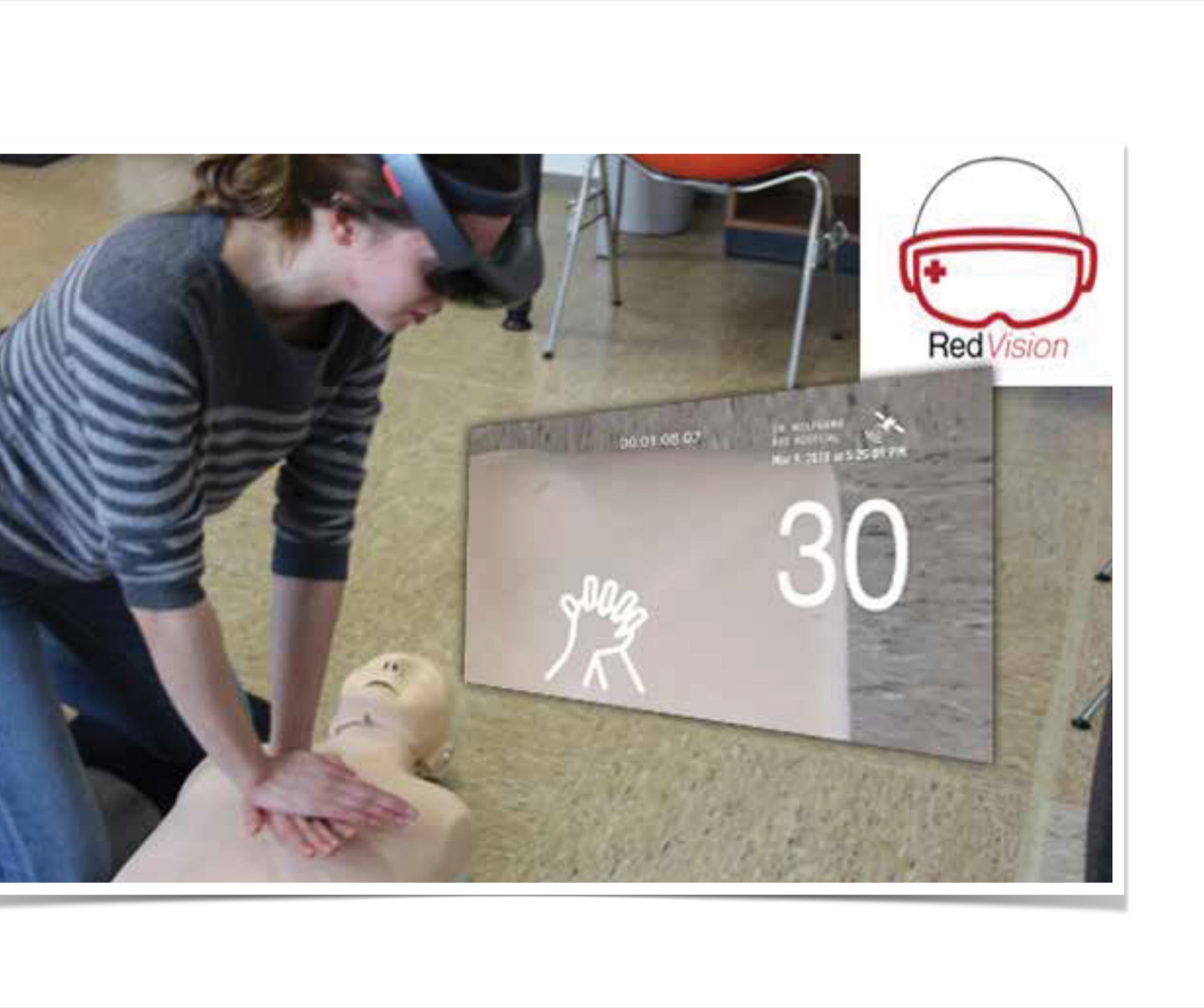
The first generation was built on Microsoft HoloLens in Unity, functional AR rather than a video mock-up, so usability tests measured the real thing: legibility of overlays during physical activity, timing of instructions, and whether guidance actually reduced hesitation.
It did. In testing, the prototype gave users confidence in processing first aid. Participants moved through the procedure with the overlay pacing them instead of freezing at the first step. The prototype also proved a quieter point: the headset was the least important decision in the project. The research underneath it was what worked.
Both hands belong to the patient. The interface had to live somewhere else, so we put it in the air.concept rationale
Then the system learned to see
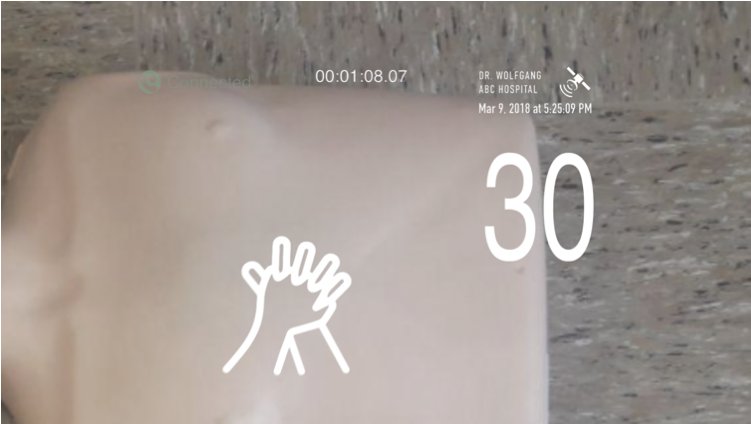
The validated guidance concept raised the next question: what if the system could also assess the patient? Novaid HUD is the answer, a completely hands-free, AI-powered AR health-tech system that uses spatial AI and facial recognition to read the patient’s state, then overlays dynamic, step-by-step 3D instructions that adapt to what it sees, not just to a static script.
Designed under stress
We rigorously tested the AR interface in high-stress simulation environments. Two findings drove refinement: the visual hierarchy had to never obscure the patient, and the AI had to recognize the situation instantly, guidance with latency is guidance that arrives too late.
Panic, turned into procedure
Novaid effectively bridged the EMS gap: ordinary bystanders empowered with real-time medical guidance, panic turned into structured, life-saving action. From design-thinking sprint to HoloLens prototype to AI-powered HUD, it is the longest research arc in my portfolio, and the clearest proof that emerging tech is only as good as the research underneath it.